
Designing Visual Experiences, Not Just Creating Content

Updated: Jan 18
In a world flooded with images, videos, reels, and campaigns, content alone is no longer enough.
Every brand is publishing. Every platform is saturated. Every scroll is faster than the last.
Yet, some visuals pause us. They stay, moving from attention to memory long after the screen goes dark.
That difference is not better cameras or higher budgets.
It’s the difference between creating content and designing visual experiences.
At Capture And Motion, we believe visuals should not merely exist, they should be felt.
Content Is Output. Experience Is Impact.

Most content today is created to fill calendars, satisfy algorithms, or check marketing boxes. It’s produced quickly, posted instantly, and forgotten just as fast, the hallmark of content that looks good but doesn’t work.
A visual experience, however, is intentional.
It considers:
How a viewer enters the story
What they feel while watching
What stays with them afterward
Experience-led visuals don’t chase attention, they earn it.
They guide the eye.
They control rhythm.
They respect silence as much as sound.
This shift in thinking transforms visuals from marketing assets into brand touchpoints.
What Is Visual Experience Design?

Visual experience design is the craft of shaping how people perceive, feel, and remember a brand through imagery and motion.
It goes beyond aesthetics.
It blends:
Storytelling
Spatial awareness
Emotional pacing
Brand psychology
Cinematic structure
Whether it’s a film, photograph, or digital campaign, the goal is not “engagement”, the goal is connection through visual storytelling.
Why Visual Experience Design Matters More Than Ever
1. Attention Is Borrowed, Not Owned
In today’s digital landscape, you don’t own attention, you borrow it for a few seconds. Experience-led visuals respect that time by delivering meaning quickly and honestly.
2. Audiences Remember Feelings, Not Frames
People may forget what they saw, but they remember how it made them feel. Visual experiences are designed to trigger emotion, not just clicks.
3. Brands Are Judged Visually First
Before a word is read, your visual language communicates credibility, intent, and quality. Experience design ensures that first impression is aligned with who you truly are because visuals drive trust before words do.
Visual Experience Design vs Traditional Content Creation
Traditional Content | Visual Experience Design |
Focused on output | Focused on perception |
Platform-driven | Audience-driven |
Short-term engagement | Long-term recall |
Isolated visuals | Connected narrative |
Fast consumption | Meaningful immersion |
This difference is subtle, but powerful.
How Capture And Motion Designs Visual Experiences

We don’t start with formats.
We start with intent-driven visuals where every frame has a reason.
Before a camera is lifted, we ask:
What should the viewer feel?
What should they understand without being told?
What emotion defines this brand moment?
Only then do we shape the visuals.
1. Story Before Shot
Every project begins with narrative structure, even if it’s a 10-second reel. We design the emotional arc before designing the frame.
2. Space, Light, and Movement
As an architect-led studio, C A M treats visuals like spaces, considering depth, flow, balance, and transitions. Movement is never random; it guides attention, a principle rooted in spatial flow and experiential visual storytelling.
3. Cinematic Restraint
Not everything needs to be loud. Silence, pauses, and negative space are used intentionally to let the viewer breathe and absorb.
4. Consistency Across Touchpoints
A visual experience doesn’t live in isolation. We ensure your films, photographs, and campaigns speak the same visual language, across platforms and time.
Designing Visual Experiences Across Industries
Visual experience design adapts, without losing its core.
Architecture & Built Spaces → Translating spatial intent into motion

Products → Turning form, texture, and utility into desire

Events → Capturing energy, not just moments
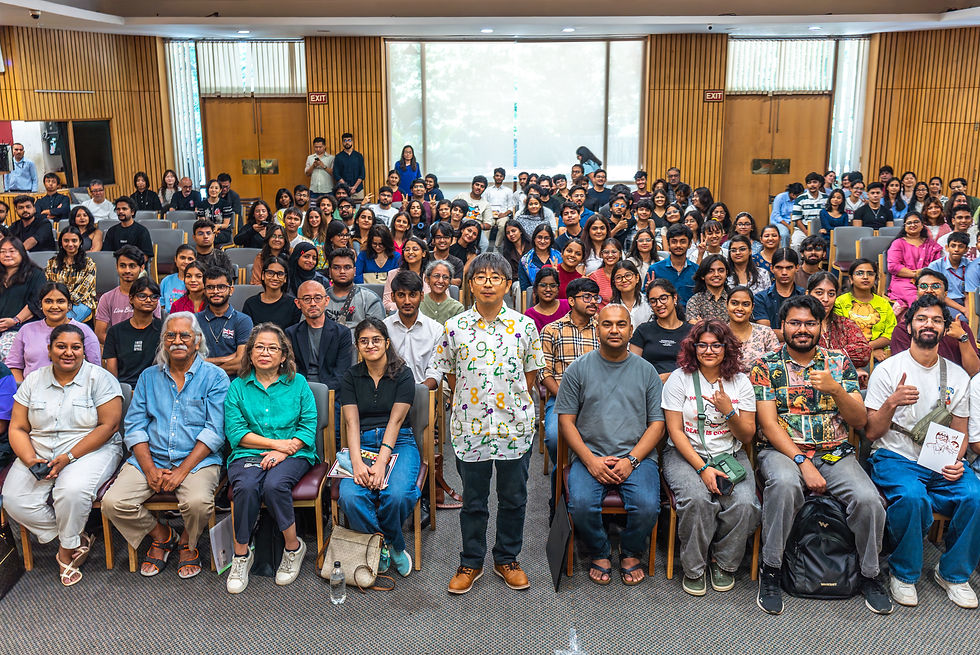
People & Stories → Revealing authenticity without performance

Adventure & Outdoor Content → Making viewers feel present, not just impressed

The medium may change, the experience remains intentional.
Visual Experience Design Builds Brand Memory
Brands that invest in experiences don’t just get views, they get recognition through strategic corporate visual communication.
When visuals are consistent, emotionally grounded, and thoughtfully paced:
Audiences trust faster
Stories travel further
Brands feel human
This is where visuals stop being disposable and start becoming assets.
Designing for the Long Term, Not the Algorithm
Algorithms change.
Formats evolve.
Trends fade.
But well-designed visual experiences age gracefully.
They can be repurposed, recontextualised, and reintroduced, without losing relevance because they are rooted in story, not trend.
At C A M, we design visuals that are meant to last longer than a feed refresh.
Final Thought: From Seeing to Remembering
The future of visual communication isn’t about producing more.
It’s about designing better experiences.
Experiences that:
Respect the viewer
Reflect the brand truth
Leave a lasting impression
Because when visuals are designed with intent, they stop being content, and start becoming memory.


Comments